This website uses cookies
Read our Privacy policy and Terms of use for more information.
Your Digest of .NET Updates, Tools, and Insights
Jan 20, 2026
Deep Dive into .NET Updates.
Generative AI with Large Language Models in .NET & C#
This guide explains how .NET and C# developers can build generative AI applications using Large Language Models (LLMs). It covers core concepts like LLM integration, prompt design, and practical patterns for adding AI capabilities to modern .NET applications—making it easier to create intelligent, scalable, and production-ready solutions.
—By Jeremy Likness
MongoDB EF Core Provider: Queryable Encryption & Vector Search in .NET
MongoDB’s EF Core provider now supports Queryable Encryption and Vector Search, enabling .NET developers to build secure, AI-powered applications with encrypted data and semantic search capabilities. This update makes it easier to combine data security, EF Core productivity, and modern AI search directly in C# applications.
—By Rishit Bhatia | Luce Carter
How .NET Synchronizes Its Virtual Monorepo at Scale
This article explains how the .NET team manages and synchronizes a virtual monorepo, keeping multiple repositories aligned without sacrificing developer productivity. Learn the tooling, workflows, and automation strategies Microsoft uses to scale .NET development efficiently across teams and codebases.
—By Přemek Vysoký
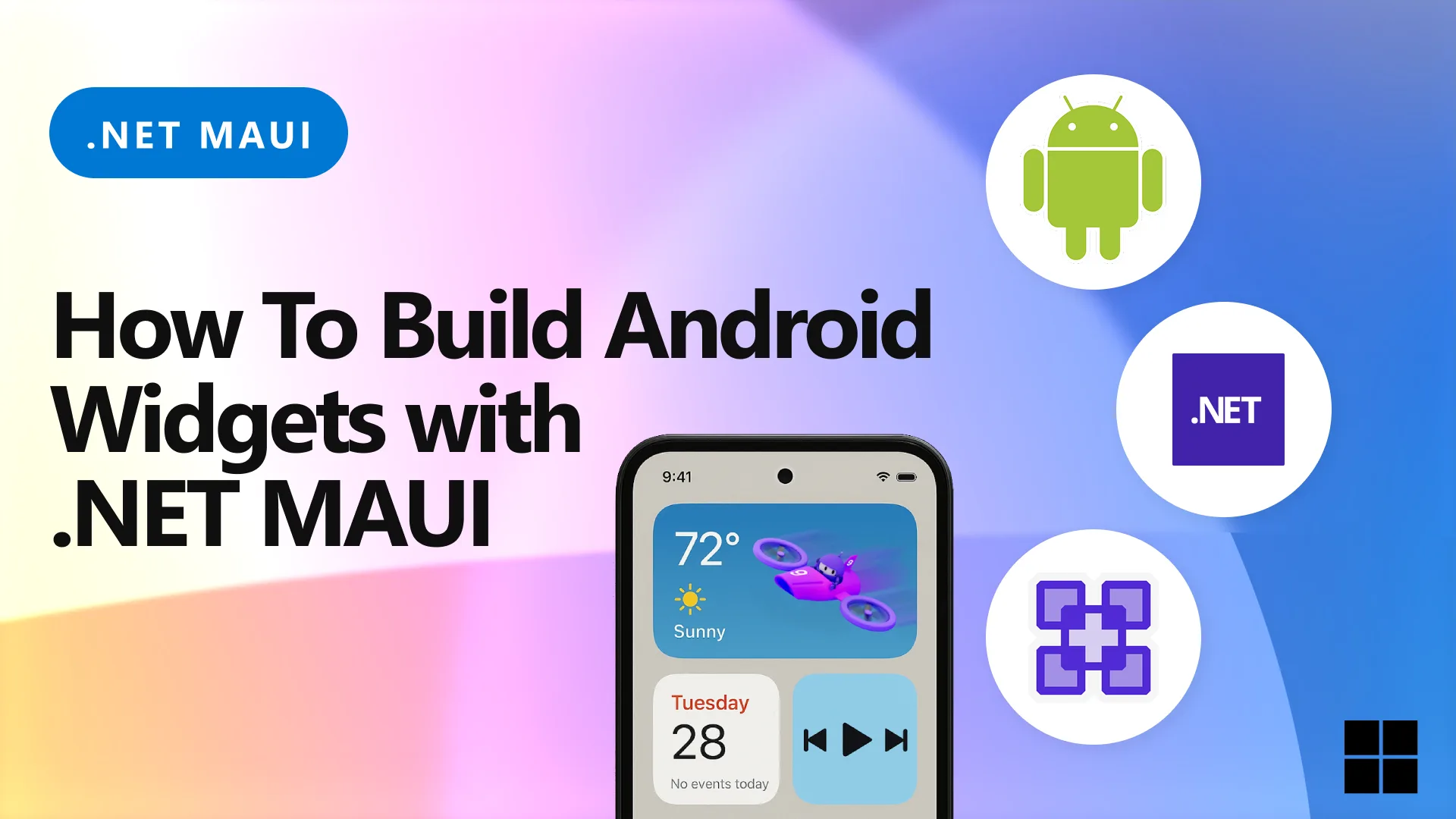
How to Build Android Widgets with .NET MAUI
This guide shows how .NET MAUI developers can create Android home screen widgets using C#. It covers architecture, platform integration, and best practices for building performant, native Android widgets while sharing code across platforms in modern .NET applications.
—By Toine de Boer
.NET & .NET Framework January 2026 Servicing Updates Released
Microsoft has shipped the January 2026 servicing updates for .NET and .NET Framework, delivering important security, reliability, and performance fixes. These updates help keep production applications stable, secure, and fully supported across supported .NET versions.
—By Rahul Bhandari | Tara Overfield
Copilot Studio Extension for Visual Studio Code Is Now Generally Available
The Copilot Studio extension for Visual Studio Code is now generally available, enabling developers to build, test, and customize Copilot-powered AI experiences directly inside VS Code. This release streamlines agent development, improves productivity, and brings enterprise-ready AI workflows closer to everyday coding.
—By Daniel Carrasco | Sarah Critchley
GitHub Copilot Memories – Personalized AI Assistance in Visual Studio
Copilot Memories introduce a new way for GitHub Copilot in Visual Studio to remember context, preferences, and past interactions—delivering more personalized and relevant AI-assisted coding experiences. This feature helps developers work faster with smarter, context-aware suggestions tailored to their workflow.
—By Jessie Houghton
Guard Clauses in .NET – Write Cleaner, Safer, and More Readable Code
This article explains how guard clauses in .NET help developers simplify methods by handling invalid states early. Learn when and how to use guard clauses in C# to reduce nesting, improve readability, and make your code more maintainable and robust—especially in business logic and domain-driven designs.
—By Nikola Knezevic
End-to-End Validation in .NET & TypeScript – A Scalable Full-Stack Architecture
This article explores how to design end-to-end validation across .NET backends and TypeScript frontends, ensuring consistent rules from UI to API. It covers shared validation models, architecture patterns, and best practices for building reliable, maintainable, and scalable full-stack applications.
—By Sudhir Mangla
What’s New in .NET 10 & C# 14 – API and Request/Response Pipeline Enhancements
This article breaks down the latest API improvements in .NET 10 and C# 14, focusing on enhancements to the request/response pipeline, middleware, and endpoint handling. Learn how these updates improve performance, clarity, and developer productivity when building modern, high-performance .NET APIs.
—By Ali Hamza Ansari
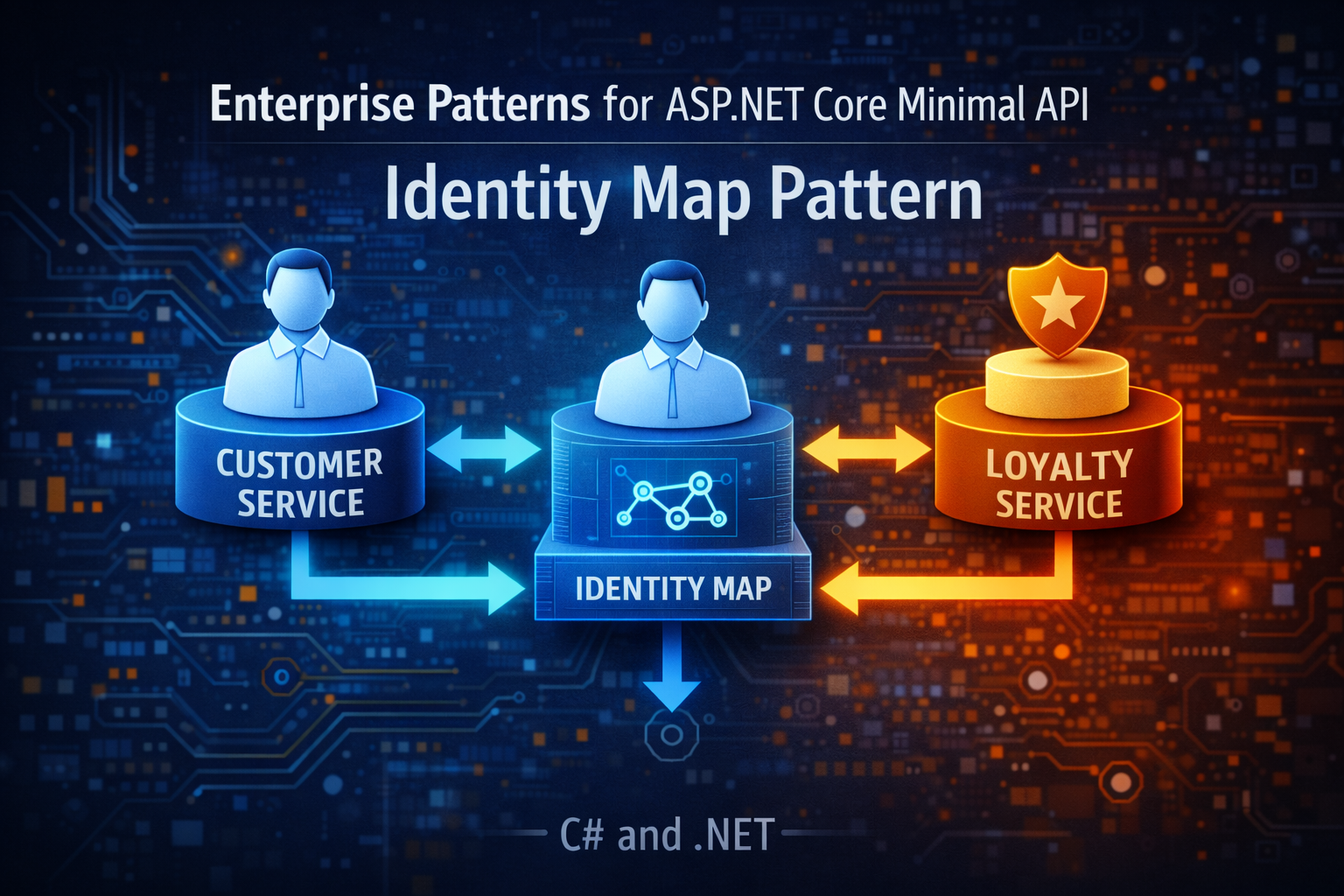
Identity Map Pattern in ASP.NET Core Minimal APIs – Enterprise Patterns Explained
This article explains the Identity Map pattern in ASP.NET Core Minimal APIs, showing how it helps maintain data consistency by ensuring each entity is loaded only once per request. Learn when to use Identity Map, how it fits into enterprise architectures, and how it prevents subtle bugs in data-heavy .NET applications.
—By Chris Woodruff